When billions of prompts reference someone's expertise or creative style, we need rails to describe, distribute, and pay for those abilities. This is the infrastructure layer underneath the new IP wars.
Previously:
In "The next IP war will be fought in the prompt box", I explored how IP owners and creators will compete for cultural mindshare inside AI systems, where attention becomes the new scarcity.
This essay explores what comes next: the market infrastructure that will let that competition happen sustainably.
The invisible economy forming inside AI
Every day, billions of prompts silently reference someone's expertise or creative DNA. But today, none of that value flows back to the people who built it.
When "act like X" becomes a daily command, style itself becomes currency. The question is: who captures that value?
From platform to protocol
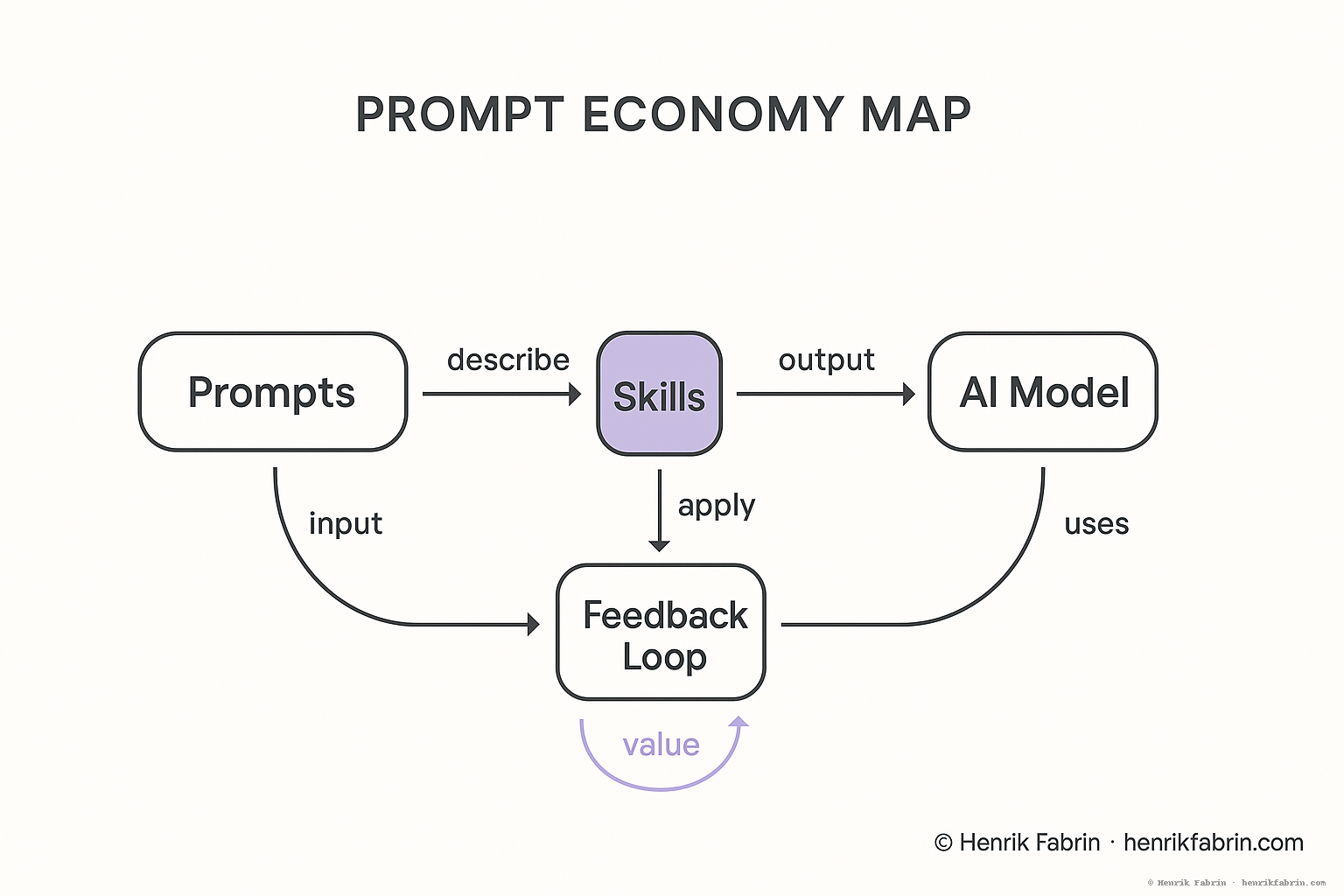
Most platforms would try to own this layer. But the opportunity isn't in creating another walled garden; it's in defining a standard.
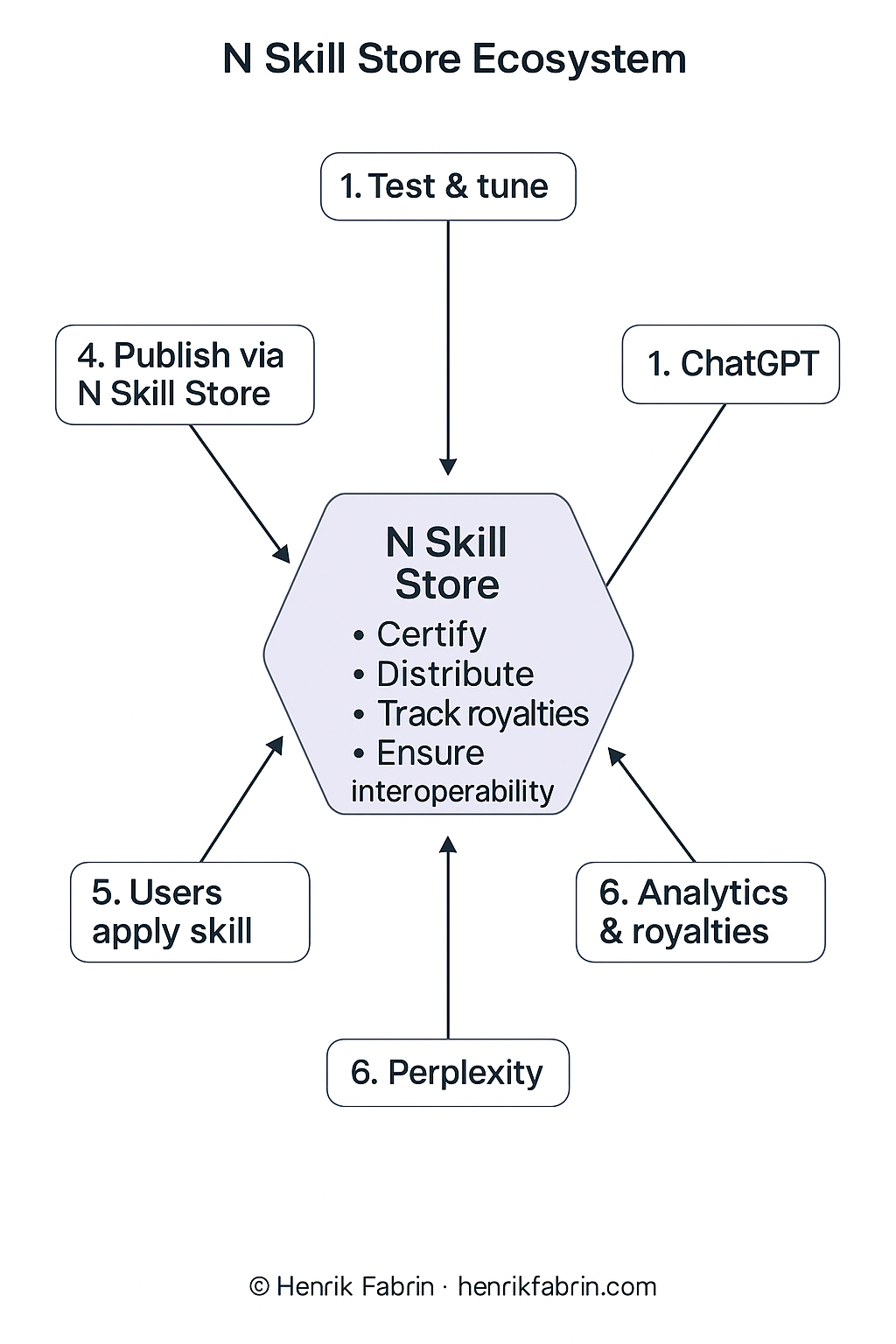
That's what the N Skill Store proposes: an open way for anyone to publish a skill — a small, signed file that describes how to do something welland can be used by any AI.
Think of it as an app store for cognition, except the app is a method, tone, or process.
What a skill actually is
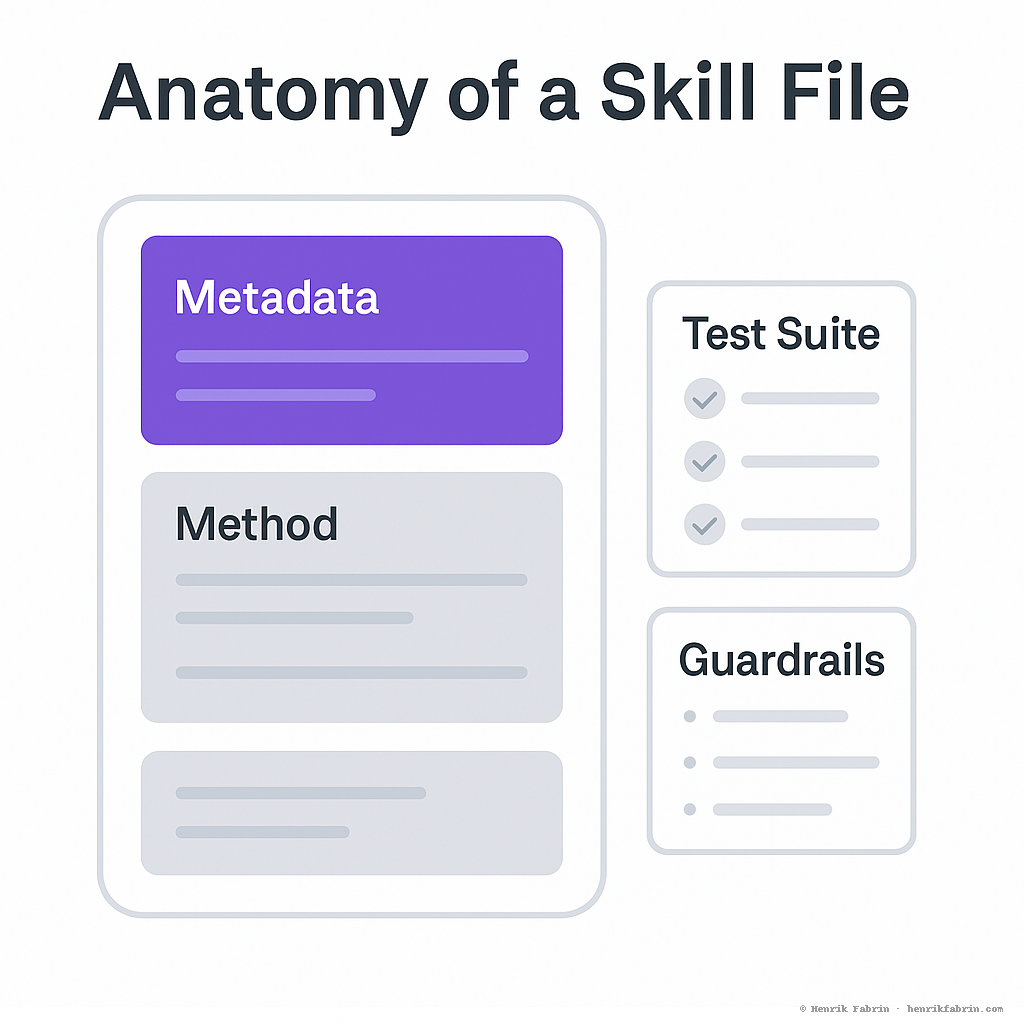
A skill is the smallest meaningful unit of expertise that an AI can apply. It's portable. It's testable. And it's ownable.
Examples:
- A designer's layout philosophy, captured as a reproducible design logic.
- A teacher's step-by-step way of explaining fractions.
- A legal expert's due-diligence checklist and reasoning pattern.
- A company's brand voice and tone of conversation.
Why it matters now
AI adoption is rising faster than governance, attribution, or reliability. Every enterprise is re-inventing prompt templates, tone guidelines, and processes from scratch.
That duplication hides enormous waste, and risk. A portable skill format lets us turn understanding into infrastructure.
Creators gain distribution.
Enterprises gain trust and repeatability.
Platforms gain usefulness.
It's the same logic that once made APIs essential to software, but for cognition.
The economics of skills
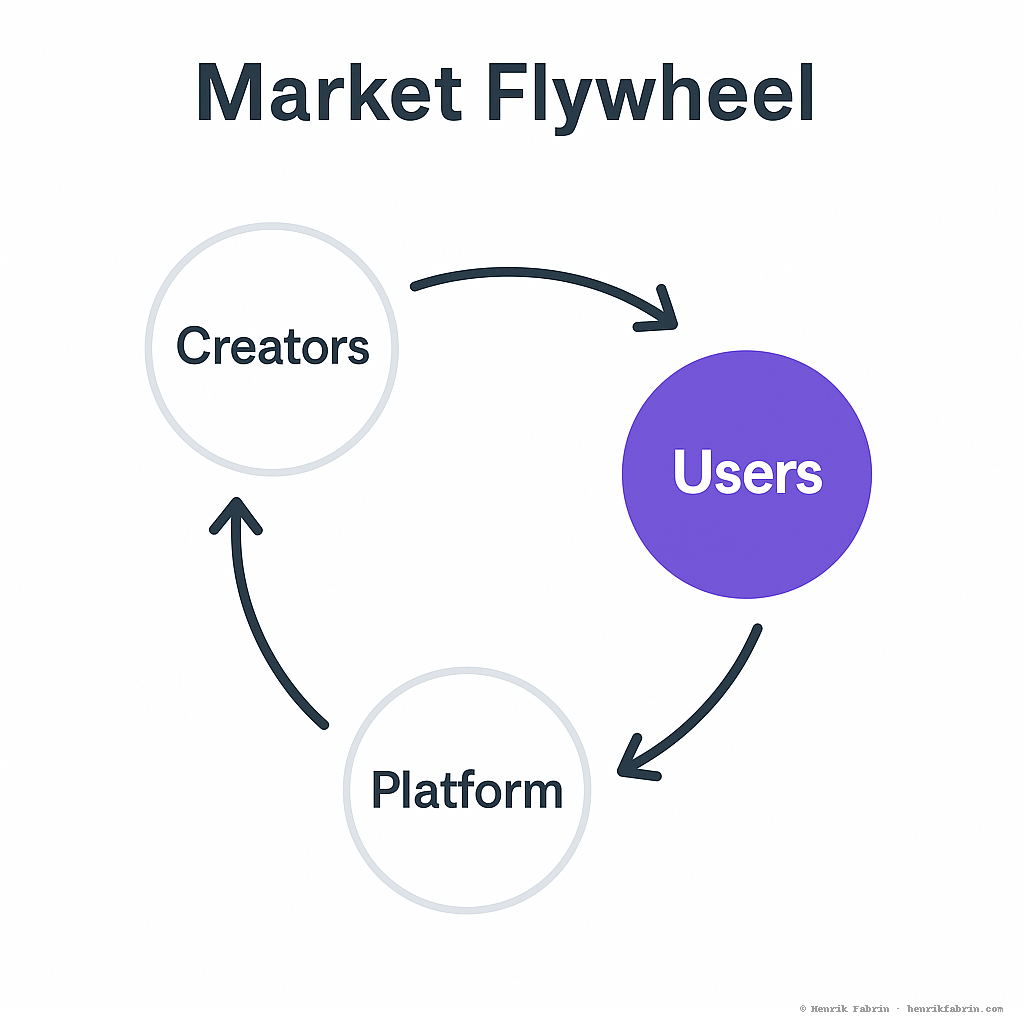
Here's the simple version of the market loop:
- Creators publish skills with license and pricing metadata.
- AIs use those skills inside assistants, apps, or agents.
- Each invocation triggers a micro-royalty.
- Usage telemetry (aggregated, privacy-safe) improves ranking and payouts.
Monetization models emerge naturally:
- Pay-per-use for micro-tasks.
- Subscriptions for access to an expert's full library.
- Enterprise licensing for internal use.
- Outcome-based fees when a measurable goal is achieved.
This turns "prompting" from a cost center into an ecosystem of trade.
Building trust: the five layers
For such a market to work, trust becomes the core product.
- Provenance – every skill is cryptographically signed by its author or rights holder.
- Testing – skills ship with their own test suite to verify output quality.
- Licensing – human-readable and machine-enforceable rights.
- Telemetry – minimal, aggregated usage data; privacy by default.
- Versioning – clear changelogs and rollbacks for regulated use.
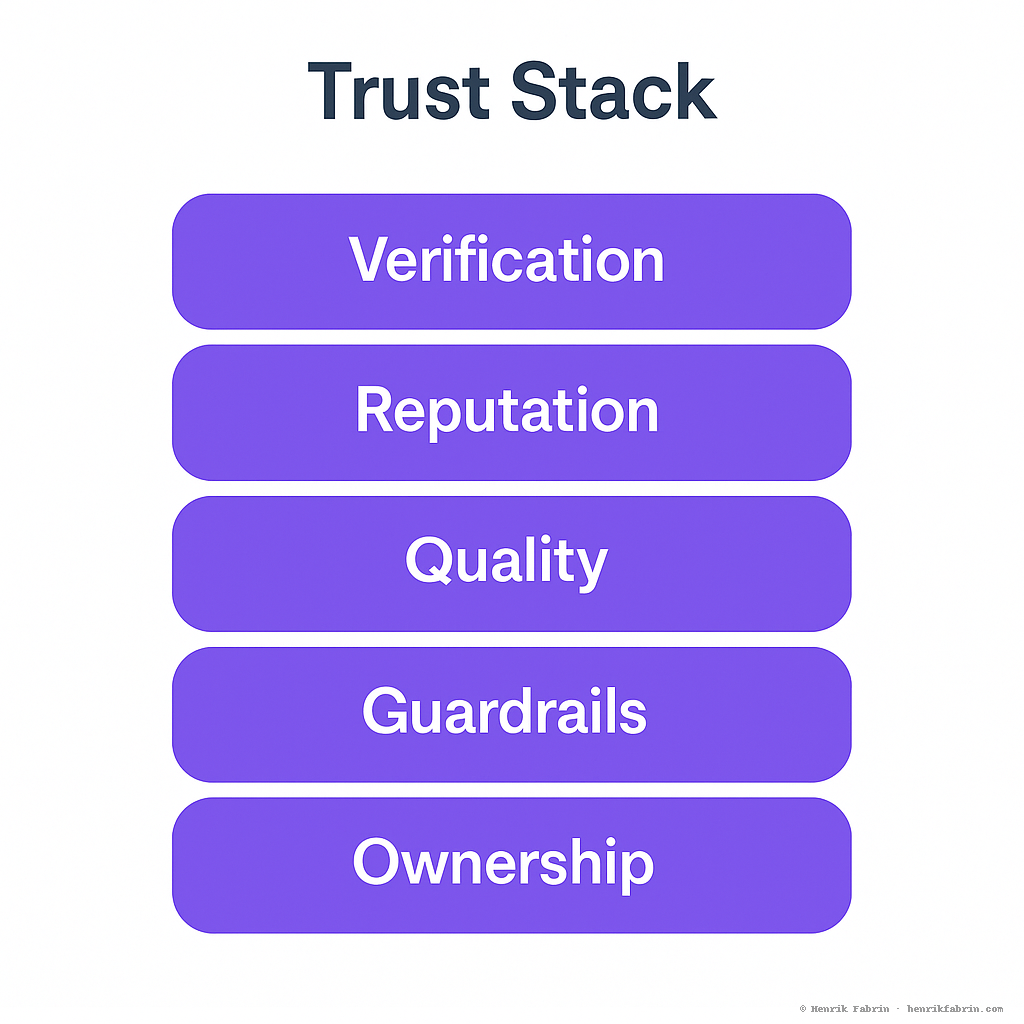
This combination makes skills safe to use in enterprises and compliant with future AI regulation.
What this unlocks
For creators
They can turn reputation into revenue; their way of thinking becomes a product. They gain visibility across multiple assistants without losing ownership.
For enterprises
They can buy once and use everywhere: inside copilots, agents, or chat interfaces. Compliance and procurement become straightforward.
For platforms
They win on breadth and reliability, not lock-in. Utility replaces exclusivity as the growth engine.
The product blueprint
A skill might look like this:
skill_id: nskill://henrik/consulting/b2b-pricing-issue-tree
version: 1.2.0
title: B2B Pricing Issue Tree – Fabrin Method
license: commercial-use
revenue_split:
  author: 80%
  platform: 15%
  referral: 5%
tests:
  - "Evaluate hypothesis prioritization"
guardrails:
  - "Never invent financial data"
signature: "ed25519:..."
Readable by people, parsable by machines; that's the point.
Go-to-market roadmap
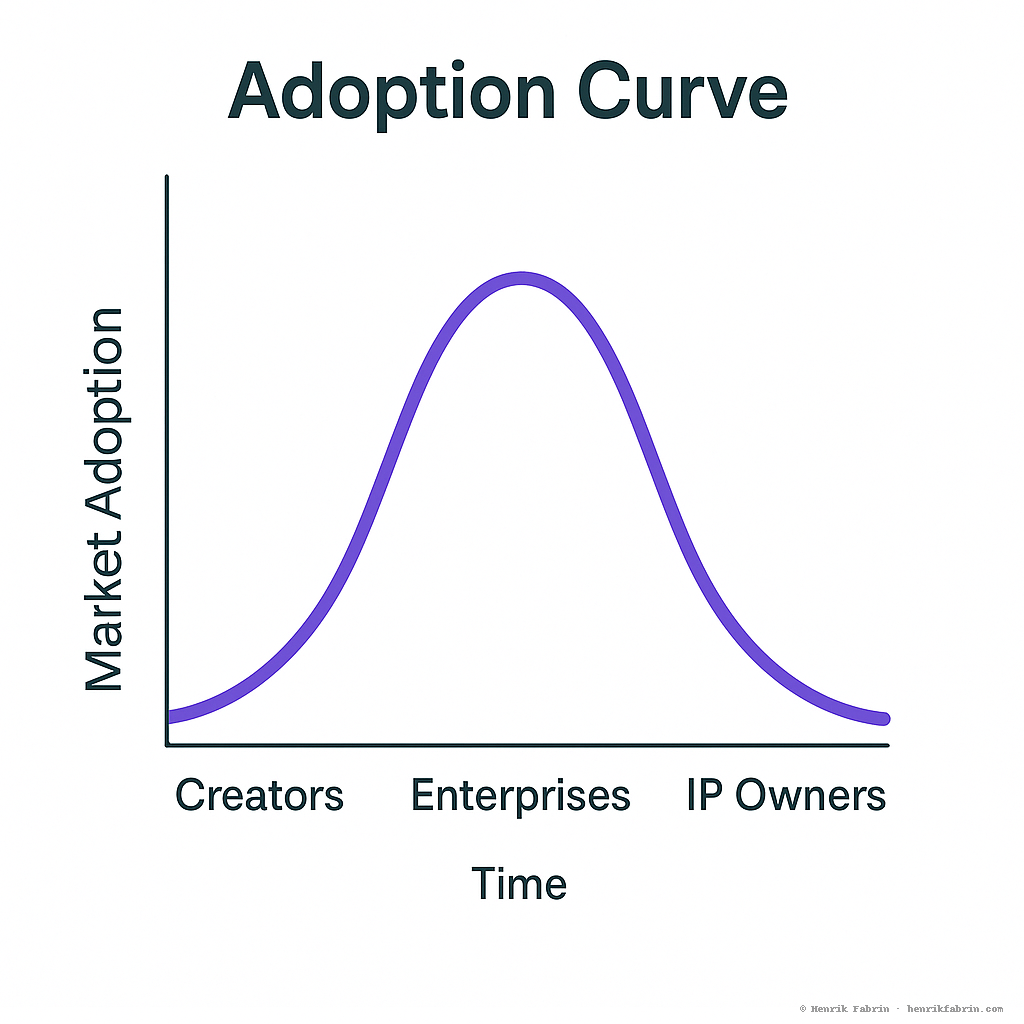
- Creators first – start with categories that show clear value: writing, design, teaching, research.
- Enterprises next – add private catalogs, SSO, and audit features.
- IP owners later – onboard licensed skills with canonical rules and revenue splits.
Each phase expands the addressable market and the credibility of the format.
What could go wrong
Copycats will appear. Grey-market clones will emerge. AI model drift may degrade performance.
But each of these challenges has a counterpart defense: signatures, ranking based on verified quality, and test-based certification. Openness plus verification is stronger than control.
Metrics that matter
When the market is live, we'll know it's working when:
- 70% of skills pass their own tests on first run.
- Enterprises adopt curated skill catalogs.
- Royalty payouts become predictable.
- Outcome quality improves compared to baseline prompting.
These aren't vanity metrics — they're the indicators of a functioning cognitive economy.
Closing: giving form to understanding
If part 1 was the cultural awakening (IPs and creators competing for synthetic mindshare), part 2 is the market rail that lets it work sustainably.
It's where creativity meets contracts. Where methods move freely. Where understanding itself becomes something you can version, measure, and reward.
The N Skill Store isn't another platform. It's a protocol for ownership in the age of shared intelligence.
Knowledge, when it can travel, becomes infrastructure. That's how the cognitive economy begins.
Explore the N Skill Store
See the vision in action. Visit the demo landing page to learn more about how skills can reshape the way we interact with AI.
Visit N Skill Store →